Quick Answer: Queef refers to the audible expulsion of air from the vagina, often occurring during or after sexual activity, exercise, or pelvic examinations. The word is considered vulgar slang, and the phenomenon itself is medically harmless and odorless.
Queef is a word that carries considerable social discomfort despite describing an entirely normal bodily function. For most people, the term is encountered in informal settings often accompanied by embarrassment or humor yet it describes something that medical professionals routinely address without alarm. The word’s vulgar status stems from cultural attitudes rather than any health concern.
Understanding queef requires separating its linguistic character from its physiological reality. The term belongs to the register of coarse slang, while the phenomenon it names is a common and benign occurrence documented by clinical sources. This distinction matters for anyone seeking accurate information about vaginal health or the word’s place in English vocabulary.
What Does Queef Mean?
At its most direct, queef describes the audible release of trapped air from the vagina. Merriam-Webster defines the verb form as “to audibly expel air from the vagina (as during or following sexual intercourse)” and the noun as “an audible expulsion of air from the vagina”. The Oxford English Dictionary classifies the word as “coarse slang” used primarily in North American English.
The word functions as both a noun and a verb. As a noun, a queef is the event itself—the sound and release of air. As a verb, to queef means to experience that release. The term is notably distinct from flatulence in one key respect: vaginal gas does not involve digestive waste and typically has no odor.
Pronunciation
British English: /kwiːf/ (kweeff)
U.S. English: /kwif/ (kweef)
Word Origin
The Oxford English Dictionary traces the earliest known use of queef to 1991, though the exact origin remains uncertain. The dictionary describes it as “probably an imitative or expressive formation,” suggesting the word was coined to mimic the sound it describes. Collins English Dictionary likewise notes “probably of imitative origin” and dates the term to the 20th century.
The Medical Reality Behind the Word
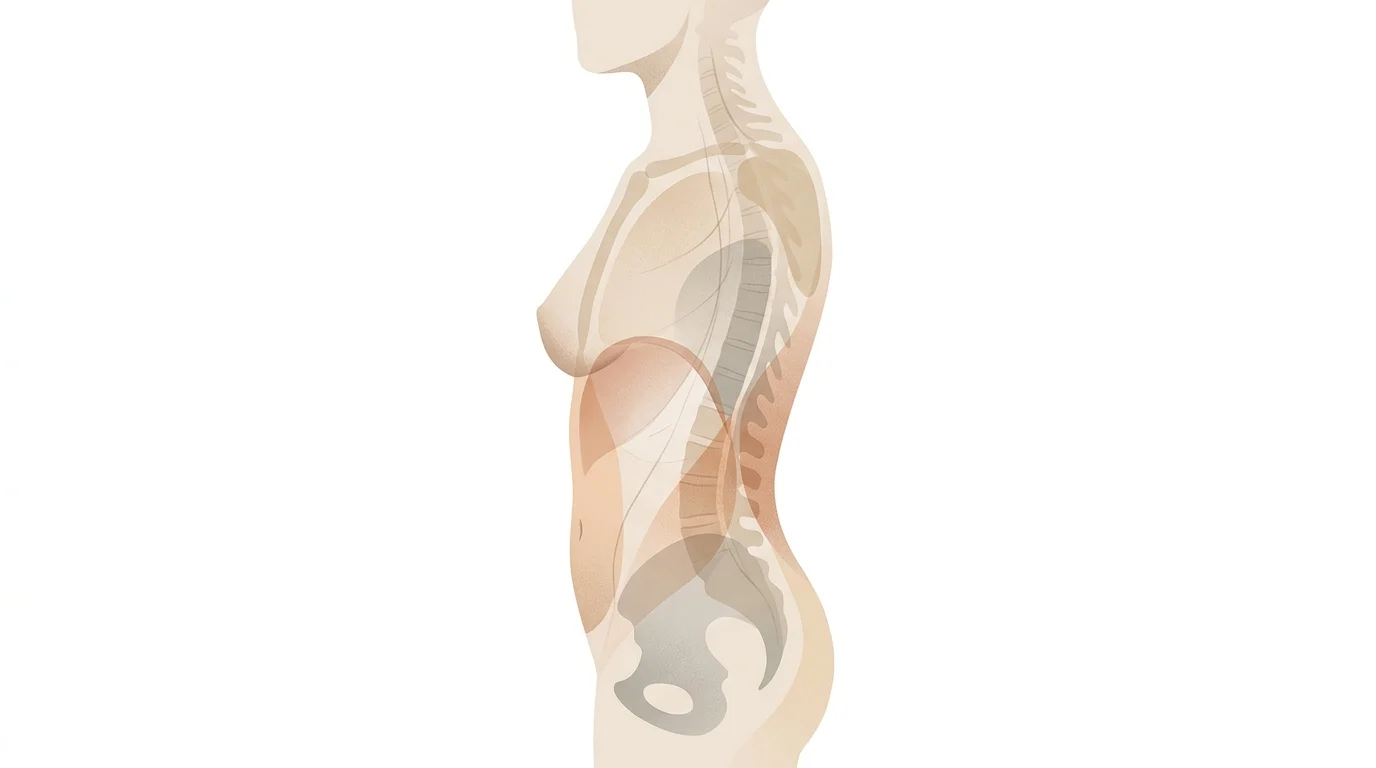
Cleveland Clinic addresses the phenomenon under the clinical label “vaginal gas” or “vaginal flatulence,” noting that it is “usually harmless” and “a bodily function that you can’t control”. The sound occurs when air trapped inside the vaginal canal—a tube-like structure closed at the top—escapes through the vaginal opening.
The clinic identifies several common causes. Sexual activity is the most frequent trigger, as movement can push air inside, particularly during position changes. Tampon insertion and removal, pelvic examinations with a speculum, and certain exercises such as yoga or squats can also trap and release air. Weak pelvic floor muscles, which may result from childbirth or menopause, can make the occurrence more frequent.
Crucially, the medical source emphasizes that queefing is not a hygiene issue and not something a person is doing wrong. Unlike anal flatulence, vaginal gas does not carry waste products and typically has no smell. A healthcare provider should only be consulted if the gas occurs alongside pain, foul-smelling discharge, or other symptoms that might indicate a vaginal fistula—an abnormal connection between the vagina and another organ.
Queef Across Languages and Terminology
The phenomenon has been named in various ways across cultures, though few terms carry the same slang status as the English word.
| Language or context | Term | Notes |
|---|---|---|
| Clinical English | Vaginal gas, vaginal flatulence | Neutral medical terminology |
| Latin (medical) | Flatus vaginalis | Formal anatomical label |
| British slang | Fanny fart, vart | Coarse equivalents |
| American slang | Pussy fart | Vulgar synonym |
| General slang | Vart | Portmanteau of “vagina” and “fart” |
Sources: Wikidata terminology entries, The Free Dictionary.
The variety of slang terms reflects a broader cultural tendency to treat the phenomenon with humor or euphemism. The clinical terminology, by contrast, strips away the social charge and describes a straightforward physiological event.
Queef vs. Fart: What’s the Difference?
The most common misunderstanding about queefing is that it is a form of flatulence. The distinction matters both medically and socially.
| Feature | Queef (vaginal gas) | Fart (anal flatulence) |
|---|---|---|
| Source | Air trapped in vaginal canal | Digestive gases from rectum |
| Odor | Typically none | Often has odor |
| Control | Cannot be held in | Can sometimes be controlled |
| Health implication | Usually harmless | Normal digestive function |
Cleveland Clinic explicitly states that unlike a fart, “gas from your vagina doesn’t smell and you can’t hold it in”. This difference explains why queefing, while still socially awkward, carries no hygiene implications. The air released is simply ambient air that entered the vaginal canal, not a byproduct of digestion.
How to Use Queef Correctly
Register and Context
Queef is coarse slang. It is not appropriate for formal writing, professional settings, or medical documentation. In clinical contexts, “vaginal gas” or “vaginal flatulence” are the preferred terms. The word appears in informal conversation, comedy, and occasionally in journalism when discussing the phenomenon directly.
As a Noun
“She was embarrassed by a queef during yoga class.” The noun form refers to the event itself. It can be countable (“a queef”) or used in the plural (“queefs are normal”).
As a Verb
“He didn’t know that she could queef on demand.” The verb follows standard English conjugation: queef, queefed, queefing.
Common Mistakes to Avoid
- Do not confuse queef with a health problem. Medical sources consistently describe it as harmless and normal. Using the word as an insult or implying it indicates poor hygiene is inaccurate.
- Do not use it in formal or medical writing. The word’s vulgar status makes it unsuitable for professional contexts. Clinical terms are available and preferred.
- Do not assume it only happens during sex. Cleveland Clinic lists exercise, tampon use, pelvic exams, and weak pelvic floor muscles as additional triggers.
Cultural and Linguistic Notes
The word’s imitative origin places it alongside other sound-mimicking terms in English, though its vulgar status has kept it largely out of mainstream dictionaries until recent decades. The Oxford English Dictionary added an entry for the noun in 2017, with the earliest evidence from 1991. This relatively recent documentation suggests the word circulated in spoken slang long before lexicographers recorded it.
The term has appeared in comedy, sex education discussions, and feminist health writing as part of broader efforts to destigmatize normal bodily functions. Cleveland Clinic’s patient-facing materials adopt a notably reassuring tone: “It may be embarrassing or annoying—and sometimes even funny. But it’s just another part of being human”.
Frequently Asked Questions
1. What is the simple definition of queef?
Queef is a vulgar slang term for the audible release of air from the vagina. It is a normal, odorless bodily function that often occurs during sex, exercise, or pelvic exams.
2. Is queefing harmful?
No. Medical sources describe vaginal gas as harmless and common. It does not indicate poor hygiene or a health problem in most cases. A doctor should only be consulted if it occurs with pain, foul odor, or other unusual symptoms.
3. What causes queefing?
Air becomes trapped in the vaginal canal during sexual activity, tampon use, pelvic examinations, or certain exercises like yoga and squats. Weak pelvic floor muscles can also contribute. The air is released when the muscles relax or the body changes position.
4. Why does a queef make a sound?
The vaginal opening is narrow, so when trapped air escapes through it, the tissue vibrates and produces a sound similar to flatulence. The sound varies depending on the volume of air and the speed of release.
5. Is queef a real word?
Yes. It appears in Merriam-Webster, the Oxford English Dictionary, and Collins English Dictionary, all of which label it as slang and often as vulgar or coarse.
6. Where did the word queef come from?
The origin is uncertain, but dictionaries describe it as probably imitative—coined to mimic the sound it names. The earliest recorded use is from 1991.
Conclusion
Queef is a word that sits at an uncomfortable intersection of language and bodily function. Its vulgar status in English reflects cultural discomfort rather than any genuine health concern. The phenomenon it describes—trapped air escaping the vaginal canal is common, odorless, and medically benign, as clinical sources consistently affirm.
Understanding the word means recognizing both its linguistic character as coarse slang and the physiological reality it names. Whether encountered in conversation, comedy, or health information, queef describes something ordinary. The embarrassment surrounding it belongs to culture, not to medicine.