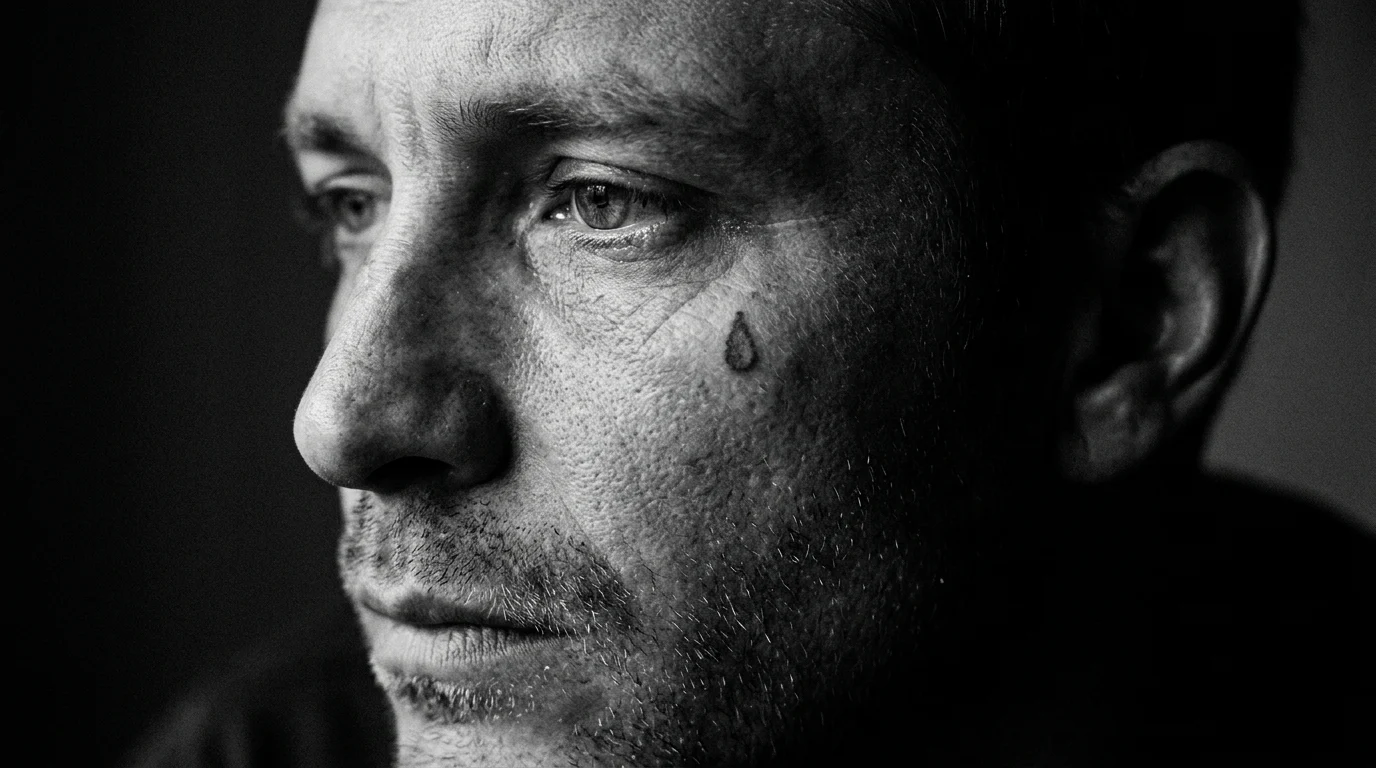
Quick Answer: A teardrop tattoo is a small teardrop-shaped design typically placed under the eye. Its meanings vary widely and include having killed someone, serving prison time, mourning a lost loved one, surviving hardship, or expressing gang affiliation. The exact meaning depends on the wearer’s background and the tattoo’s specific style and placement.
The teardrop tattoo is one of the most heavily loaded symbols in body art. A single small drop beneath the eye can communicate grief, violence, survival, or defiance—and often, observers cannot tell which without knowing the person’s story. This ambiguity is central to the tattoo’s enduring power and notoriety.
Understanding the teardrop requires looking beyond simple definitions. Its history runs through prison systems, gang cultures, and personal memorials. At the same time, its meaning has shifted dramatically over recent decades, moving from a coded prison marker to a mainstream symbol of loss and resilience.
What Does a Teardrop Tattoo Mean?
At its core, a teardrop tattoo represents a tear, placed permanently on the face where it cannot be hidden. The Museum of Modern Art notes that this visibility is deliberate: “there is almost no way to conceal a design inked near the eye, highlighting the deliberately public declaration a teardrop tattoo constitutes”. Unlike tattoos that can be covered by clothing, a facial teardrop announces itself to everyone who sees the wearer.
The meanings attached to this symbol are multiple and sometimes contradictory. According to wikiHow, common interpretations include having killed someone, spending time in prison, mourning a deceased loved one, gang membership, and triumph over personal struggles. A Wikipedia entry on the tattoo summarizes it as signifying either time spent in prison, having been raped while incarcerated and marked as “property,” solidarity with a imprisoned loved one, loss of a friend or family member, or—in West Coast gang culture—having killed someone.
Placement and Visibility
Teardrop tattoos are most commonly placed directly beneath one eye, sometimes at the corner. This placement makes the tattoo immediately noticeable during face-to-face interaction. The MoMA curators emphasize that this visibility transforms the tattoo into a public statement, whether the wearer intends it as a warning, a memorial, or a personal affirmation.
The Prison and Gang Origins
The teardrop tattoo’s most notorious associations come from prison and gang culture. A 2005 report from the U.S. Office of Justice Programs studied 290 youth gang members in Canada and found that 71 of the 97 convicted of murder or manslaughter had at least one teardrop tattoo. The report concluded that gang members reported the tattoo signified “that they have killed a rival, had a member of their gang or family killed, or have served prison time”. The primary function, according to the study, was to communicate dangerousness and command respect.
However, the evidentiary basis for some claims about teardrop tattoos has been challenged in court. A 2017 Ontario Court of Appeal decision examined the testimony of a gang researcher and noted that the six studies he relied on contained “no reference at all to teardrop tattoos” despite his claims about the sample size. This legal scrutiny highlights an important point: the teardrop’s meanings are culturally real but not universally standardized.
Killed Someone
The most widely repeated interpretation is that each teardrop represents a life taken. In some gang codes, a filled-in teardrop can claim a murder, while an outline may indicate an attempted murder or a loss not yet avenged. A BBC report on a 2012 murder trial noted that the prosecution alleged the defendant understood a teardrop below the eye “could mean the wearer had killed someone”. However, wikiHow cautions that “the vast majority of people with teardrop tattoos these days have not killed anyone” and that this meaning, while historically significant, is no longer universal.
Served Prison Time
Another common meaning is that the teardrop signifies incarceration. Some sources claim each teardrop represents a year served, though others dispute this specificity. In this interpretation, the tattoo functions as a badge of experience within the prison system, visible to others who understand the code.
Victim of Violence
A darker and less discussed meaning is that the teardrop can mark a prisoner who was raped or sexually abused while incarcerated. According to Wikipedia, the tattoo could be forced upon a victim as a “property” mark and for humiliation, since facial tattoos cannot be concealed. This interpretation positions the wearer as a victim rather than a perpetrator, reversing the typical association with violence and power.
Mourning and Loss
In contemporary usage, the most common reason for a teardrop tattoo is the loss of a loved one. wikiHow notes that the tattoo can represent “personal loss” and reflects “a kind of permanent pain caused by a serious personal loss”. There is also evidence that prisoners who lost family members while incarcerated used the tattoo to honor them, since they could not attend funerals.
Celebrity Examples
NBA player Amar’e Stoudemire has a teardrop tattoo honoring his older brother Hazell Jr., who died in a car accident. The rapper Lil Wayne has two teardrop tattoos that fans believe honor friends or family who were killed. These examples show how the tattoo has moved into mainstream celebrity culture as a memorial symbol, distinct from its prison associations.
Solid vs. Outline
The style of the teardrop may carry meaning. Some sources distinguish between a filled (solid black) teardrop and an outline. According to trytattoo.ai, “a filled teardrop can claim a murder” in some gang codes, while an empty outline may indicate a loss, an attempt, or an unfinished sentence, though “readings differ”. wikiHow similarly notes that some believe the fill determines whether the tattoo represents a murder or an attempted murder. However, these distinctions are not universally agreed upon and vary by region and group.
Modern and Personal Interpretations
Beyond prison and gang contexts, the teardrop has taken on new meanings. Some wearers use it to symbolize triumph over personal struggles, including mental health challenges. wikiHow compares this usage to the semicolon tattoo, a symbol of suicide awareness and survival. The teardrop in this context becomes a mark of resilience rather than suffering.
Solidarity
The tattoo can also express solidarity with someone else’s hardship. Amy Winehouse famously drew a teardrop on her face in eyeliner after her husband entered a prison hospital, a gesture of support rather than a permanent tattoo. This usage shows how the teardrop’s meaning can shift from personal experience to relational connection.
Moving Beyond the Face
Because the under-eye placement carries such heavy associations, some people choose to place teardrop designs elsewhere on the body. trytattoo.ai suggests that a small teardrop on the wrist, forearm, or behind the ear “carries the memory without summoning the prison codes”. This migration away from the face allows the symbol to function as a private memorial or aesthetic choice without the immediate assumptions that a facial teardrop provokes.
The Left Eye vs. Right Eye Debate
A persistent claim is that the side of the face matters—a teardrop under the left eye means one thing, under the right eye another. wikiHow addresses this directly: “Outside of some very fringe contexts, the eye the teardrop is underneath doesn’t mean anything”. The article notes that such theories may originate from old Chicago gang rivalries, where hat orientation distinguished factions, but there is “very little evidence” for a left-right distinction in teardrop meaning.
How to Interpret a Teardrop Tattoo Today
Given the range of possible meanings, assuming anything about a person with a teardrop tattoo is unwise. The tattoo’s history in prison and gang culture is real, but its contemporary usage has broadened significantly. A facial teardrop could mark a murder, a prison sentence, a lost sibling, a survived trauma, or simply an aesthetic choice.
Context Matters
The meaning depends heavily on the wearer’s cultural context. A teardrop in a West Coast gang setting may carry different connotations than one on a celebrity’s face or on a young person in a suburban tattoo parlor. The MoMA’s curators describe the tattoo’s meaning as “contested—depending on factors like the geographic location or personal experiences of the wearer”.
The Wearer’s Intent
Ultimately, the most reliable interpretation comes from the wearer. Some people with teardrop tattoos have never explained them publicly, leaving observers to speculate. Others, like the person quoted in the MoMA piece who wanted the tattoo “to symbolize all my loss and tears that I shed,” use it as a deeply personal memorial. The teardrop speaks, but only the person who wears it knows exactly what it is saying.
Frequently Asked Questions
1. What is the most common meaning of a teardrop tattoo?
Historically, the most common association is having killed someone or having served prison time. In contemporary usage, mourning a lost loved one is likely the most common reason for getting the tattoo.
2. Does a teardrop under the left eye mean something different from the right eye?
Most sources agree that the left-right distinction is not reliable. wikiHow states that “outside of some very fringe contexts, the eye the teardrop is underneath doesn’t mean anything”. Claims about left versus right eye meanings lack consistent evidence.
3. What does an outlined (unfilled) teardrop mean?
Some sources say an outline indicates an attempted murder, while a filled teardrop claims a completed murder. Others suggest the outline may represent a loss or an unavenged death. These meanings vary by region and group.
4. Can a teardrop tattoo mean something positive?
Yes. Some people use the teardrop to symbolize survival, resilience, or triumph over hardship. It can function similarly to a semicolon tattoo as a mark of overcoming mental health struggles or personal trauma.
Conclusion
The teardrop tattoo is a symbol with a split identity. In one context, it is a coded prison and gang marker signaling violence, incarceration, or victimization. In another, it is a deeply personal memorial for a lost loved one or a mark of survival. This ambiguity is not a flaw in the symbol it is the symbol’s nature. The teardrop’s visibility makes it a statement, and like any statement, its meaning depends on the speaker and the listener.
For those considering the tattoo, understanding its history is essential. For those seeing it on someone else, assuming the worst is unwise. The teardrop speaks, but only the wearer knows what it is saying.