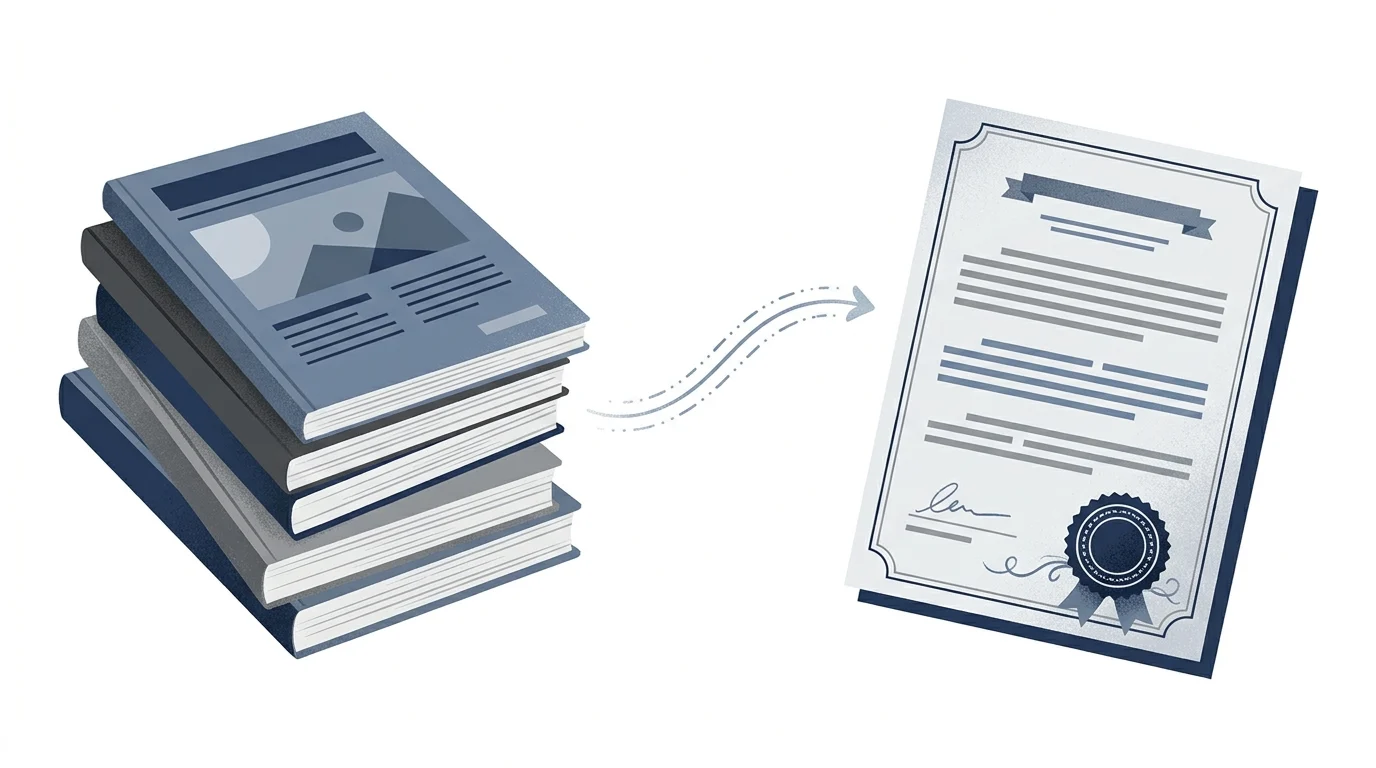
Quick Answer: Issue most commonly refers to an important topic under discussion or a problem that needs resolution. As a verb, it means to officially distribute or release something, such as a document, statement, or publication.
Issue is one of those English words that seems simple until you try to pin it down. A single spelling covers a magazine edition, a political controversy, a formal announcement, and the act of handing out supplies. The word shifts meaning depending on context, and its history stretches back to Latin roots describing movement outward. Understanding issue means recognizing how one core idea—something coming forth—branched into several distinct uses.
The word appears everywhere in modern English, from news headlines about social issues to government-issued documents to the latest issue of a favorite magazine. Each usage draws on a different facet of the same underlying concept. This guide separates those facets clearly and shows how to use the word accurately.
What Does Issue Mean?
At its core, issue describes something that comes forth or goes out. Merriam-Webster defines the noun first as “a vital or unsettled matter” and second as “the thing or the whole quantity of things given out at one time”. The verb form means “to put forth or distribute usually officially”.
The word functions as both a noun and a verb with multiple distinct senses. As a noun, it can mean a topic of discussion, a problem, a published edition, or the act of distribution. As a verb, it typically means to officially release, distribute, or announce something.
Pronunciation
British English: /ˈɪʃ.uː/ (ISH-oo)
U.S. English: /ˈɪʃ.uː/ (ISH-oo)
Word Origin
Issue entered English in the late 13th century from Old French issue, meaning “a way out” or “an exit.” This derived from the Latin exire, formed from ex- (out) and ire (to go). The original spatial meaning—something flowing or going out—gradually expanded into the modern senses of distribution, publication, and matters requiring resolution.
Issue as a Topic or Problem
The most common modern use of issue refers to a subject under discussion or a matter of concern. BBC Learning English notes that an issue can be “an important topic that people are talking about” or “a problem”. Britannica distinguishes between an issue as “an important subject or topic” and the plural issues as “problems or concerns”.
This dual sense—topic and problem—creates some ambiguity. Saying “we discussed the issue” could mean a neutral subject or a difficulty requiring attention. Context usually clarifies. “The environment is an important issue” signals a topic of public concern. “I have issues with his behavior” signals a problem or complaint.
Common Phrases
Several idioms use issue in this sense. To take issue with something means to disagree with it. To make an issue of something means to treat it as a problem or insist on arguing about it. To say something is at issue means it is under discussion or in dispute. These phrases appear frequently in journalism, legal writing, and everyday argument.
Issue as a Publication Edition
When referring to newspapers, magazines, or journals, an issue is a single edition published at a particular time. Merriam-Webster defines this sense as “the thing or the whole quantity of things given out at one time,” with the example of reading “the latest issue”. Britannica adds the common phrase “back issues,” meaning editions published before the current one.
This usage follows naturally from the word’s core meaning. An issue is something “put forth” or “sent out” to the public. A magazine issue is literally a quantity of printed material distributed at one moment.
Issue as an Official Act of Distribution
As a verb, issue describes the official release or distribution of something. Britannica lists examples including issuing identification cards, issuing stamps, and issuing warrants. Collins defines the verb as “to publish or deliver” or “to make known or announce”.
This is the word’s most formal sense. Governments issue passports. Companies issue stock. Courts issue rulings. The common thread is official authority: someone with the power to distribute or announce does so through an act of issuing. The noun form of this sense is also “issue,” as in “the issue of new guidelines”.
Issue Across Different Contexts
The word’s range becomes clearer when organized by context.
| Context | Meaning | Example |
|---|---|---|
| General discussion | Topic or subject | “Climate change is a pressing issue.” |
| Personal/emotional | Problem or difficulty | “He has anger issues.” |
| Publishing | Single edition | “The March issue of the magazine.” |
| Government/official | Act of distribution | “The government issued a warning.” |
| Finance | Release of stocks or currency | “A new issue of bonds.” |
| Legal | Matter in dispute | “The court considered the issue.” |
| Formal/archaic | Offspring or children | “He died without issue.” |
The legal and financial senses follow logically from the core meanings. A legal issue is a matter requiring a decision. A financial issue is a quantity of securities or currency released for circulation. The archaic sense of “offspring” comes from the idea of something proceeding from a source, though it survives mainly in legal phrasing.
How to Use Issue Correctly
As a Noun
Use issue to refer to a topic, problem, or edition. “The committee addressed several issues” means it discussed several topics or problems. “The latest issue arrived yesterday” refers to a publication edition. “The issue of food supplies” refers to the act of distribution.
As a Verb
Use issue to describe official distribution or announcement. “The company issued a statement” and “The office issued new badges” follow standard usage. The verb is transitive in these cases: someone issues something.
Common Mistakes to Avoid
- Do not confuse issue with problem when neutrality matters. An issue can be a neutral topic; a problem is always a difficulty. “We discussed the issue” is more neutral than “We discussed the problem.”
- Avoid redundancy in phrases like “issue a problem.” An issue and a problem overlap in meaning; combining them muddles the sentence.
- Remember that “issues” in the plural often means personal problems. “She has issues” is informal and implies emotional or psychological difficulties.
The Root of the Confusion
Issue covers so much ground because its original spatial meaning—something going out—applied to many kinds of “going out.” Words went out as publications. Official items went out as distributions. Disputes went out as matters requiring resolution. The word’s breadth is not a flaw but a record of how one basic concept expanded across centuries of use.
This breadth does create occasional ambiguity. A sentence like “The issue was issued” sounds awkward but is grammatically possible, meaning a topic was officially distributed. In practice, context and word choice prevent most confusion.
Frequently Asked Questions
1. What is the simple definition of issue?
Issue most commonly means an important topic under discussion or a problem requiring attention. As a verb, it means to officially distribute or release something, such as a document or statement.
2. Is an issue the same as a problem?
Not exactly. An issue can be a neutral topic of discussion, while a problem always implies difficulty. However, in everyday speech, “issue” often functions as a softer synonym for “problem.”
3. What does “take issue with” mean?
To take issue with something means to disagree with it or express opposition. The phrase appears in formal and informal contexts alike.
4. What is an issue of a magazine?
An issue is a single edition published at a particular time. A magazine might publish twelve issues per year, one each month.
5. What does “without issue” mean in legal writing?
In legal and formal contexts, “without issue” means without offspring or children. The phrase comes from an archaic sense of issue as “something proceeding from a source.”
6. Why does issue have so many meanings?
Issue comes from the Latin word for “going out.” Over centuries, that spatial meaning expanded to cover anything that “goes out”—publications, official distributions, and matters that emerge for discussion or decision.
Conclusion
Issue is a word of remarkable range. It names topics and problems, publications and distributions, legal disputes and official announcements. All these meanings trace back to a single Latin root meaning “to go out.” Something goes out into the world: a magazine, a statement, a question requiring an answer.
Understanding issue means recognizing which sense is active in a given sentence. A news article about “the issues facing the city” uses the word one way. A government office that “issues permits” uses it another. Both are correct, and both draw on the same history.