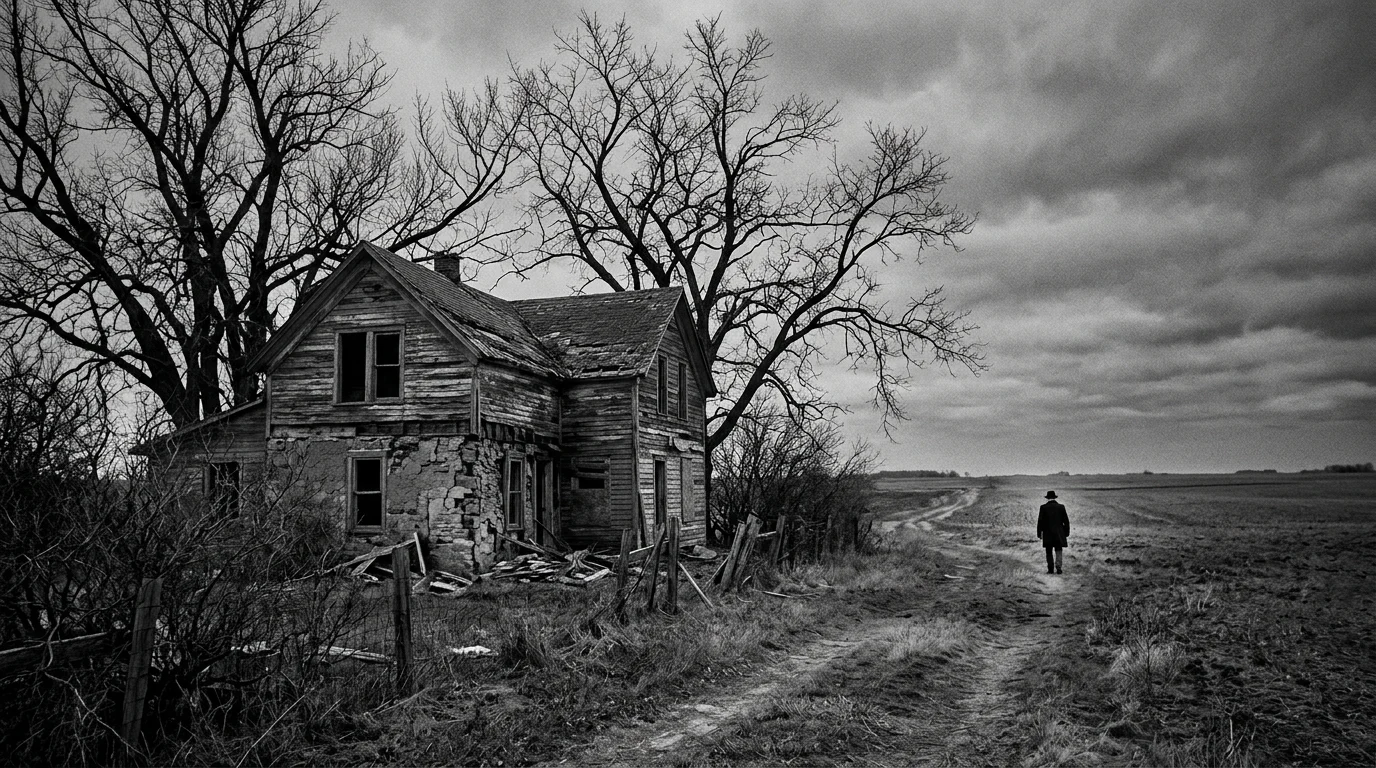
Quick Answer: Wretched describes a state of extreme misery, suffering, or distress. It can refer to someone who is deeply unhappy or unfortunate, conditions that are deplorable and miserable, or something of very poor quality that provokes contempt or annoyance.
Wretched is a word that carries the full weight of human suffering. It does not merely describe sadness or discomfort; it points to affliction that is visible, persistent, and often compounded by poverty or circumstance. When you call something wretched, you are not being polite about it. You are naming a condition that deserves pity or contempt, sometimes both at once.
Understanding wretched requires attention to its several shades of meaning. It can describe a person’s emotional state, the conditions they endure, or the quality of a thing that fails to meet even modest standards. Each usage shares a common thread: something is deeply wrong, and the word makes no attempt to soften that judgment.
What Does Wretched Mean?
At its core, wretched means deeply unhappy, miserable, or unfortunate. Merriam-Webster defines it as “very unhappy, ill, etc.” and “very bad or unpleasant”. The word can also describe something “very poor in quality or ability,” as in a wretched performance or a wretched meal.
Collins Dictionary adds a layer of emotional intensity. It describes wretched as characterizing someone or something that causes misery, or a person who is in an unpleasant situation and deserves sympathy. The word can also function as an intensifier for something the speaker dislikes, as in “this wretched nuisance”.
Pronunciation
British English: /ˈretʃ.ɪd/ (RETCH-id)
U.S. English: /ˈretʃ.ɪd/ (RETCH-id)
Word Origin
Wretched comes from Middle English wrecched, derived from wrecche (a wretch), which traces back to Old English wreċċa, meaning “exile” or “despicable person”. The word entered English in the 12th century. Its root in exile is telling: to be wretched is to be cast out, abandoned, and left to suffer.
The Three Primary Meanings
Wretched operates in three overlapping but distinct senses. Recognizing which one is being used clarifies otherwise ambiguous statements.
Misery and Suffering
The first meaning describes a state of deep affliction. A wretched person is one who suffers greatly, whether from poverty, illness, grief, or circumstance. The Free Dictionary defines this sense as “in poor or pitiful circumstances” and “characterized by or causing misery”. When a news report describes “wretched conditions in a refugee camp,” it is using this meaning.
Contemptible or Despicable
The second meaning carries moral judgment. A wretched act or a wretched person can be described as base, vile, or contemptible. Webster’s 1828 Dictionary lists “despicable; hatefully vile and contemptible” as a distinct definition. This usage appears in phrases like “a wretched miser” or “wretched ingratitude.”
Very Poor in Quality
The third meaning concerns inferiority. A wretched performance, a wretched meal, or wretched workmanship fails to meet basic standards. This sense is often used in casual criticism, where wretched functions as a stronger synonym for “terrible” or “awful.”
| Meaning | Focus | Example |
|---|---|---|
| Miserable condition | Suffering, poverty, distress | “The slums were filled with poor, wretched children” |
| Contemptible character | Moral judgment | “A wretched miser” |
| Poor quality | Inferiority, failure | “What a wretched performance” |
Wretched vs. Miserable: Understanding the Difference
Wretched and miserable are close synonyms, but they are not identical. Collins Dictionary offers a useful distinction: wretched refers to “a condition of extreme affliction or distress, especially as outwardly apparent,” while miserable refers more to “the inward feeling of unhappiness or distress”.
In other words, wretched is often visible. A wretched person looks wretched. Their circumstances are apparent to observers. Miserable can be hidden. Someone can feel miserable without appearing so. Wretched carries a stronger implication of external suffering, while miserable leans toward internal experience.
When to Use Wretched
Use wretched when the suffering or badness is evident and substantial. It works well for describing conditions, appearances, and quality. It is less suited to mild complaints. Calling a rainy afternoon “wretched” is common in British English, but it stretches the word’s gravity. Saving wretched for genuine distress preserves its force.
How to Use Wretched Correctly
As an Adjective Before a Noun
Wretched typically precedes the noun it modifies. “Wretched conditions,” “a wretched existence,” “wretched poverty,” and “a wretched performance” are all standard constructions. This attributive position is the word’s most common use.
As a Predicative Adjective
Wretched can also follow linking verbs. “She looks wretched,” “He felt wretched,” and “The conditions were wretched” are grammatically correct and natural. This usage often emphasizes the visible or felt quality of the misery.
Common Mistakes to Avoid
- Do not use wretched for minor inconveniences. A slightly delayed train is annoying, not wretched. Overuse dilutes the word’s weight.
- Be aware of the moral judgment. Calling a person wretched can imply contempt as well as pity. In formal writing, clarify which sense you intend.
- Do not confuse wretched with “wretch.” A wretch is a person who is miserable or despicable. Wretched is the adjective describing that state or quality.
Wretched in Literature and Culture
The word has a long literary history. Its most famous appearance may be in the title of Frantz Fanon’s The Wretched of the Earth, a landmark work on colonialism and revolution. The title uses wretched in its sense of profound suffering and oppression, invoking the exiled and abandoned root of the word.
In everyday usage, wretched appears frequently in journalism to describe dire conditions. Merriam-Webster’s examples include “the wretched conditions of the refugee camp” and “wretched poverty”. These usages draw on the word’s capacity to convey suffering that demands attention.
The Intensifier Usage
British English often uses wretched informally as an intensifier for annoyance. “That wretched trombone” or “this wretched weather” expresses frustration rather than genuine misery. This usage is common in conversation but less appropriate in formal writing, where the word’s gravity should be preserved.
Frequently Asked Questions
1. What is the simple definition of wretched?
Wretched means very unhappy, miserable, or in poor conditions. It can also describe something of very poor quality or someone who is contemptible.
2. What is the difference between wretched and miserable?
Wretched often refers to visible, external suffering and affliction, while miserable more often describes an internal feeling of unhappiness. Wretched carries a stronger sense of observable distress.
3. Can wretched describe a person?
Yes. A wretched person can be someone who is deeply unfortunate and suffering, or someone who is contemptible and base. Context determines which meaning applies.
4. Is wretched a formal word?
Wretched is standard English, neither highly formal nor slang. It appears in literature, journalism, and everyday speech. Its informal intensifier usage (“that wretched noise”) is more casual.
5. What is the origin of the word wretched?
Wretched comes from Middle English wrecched, from Old English wreċċa, meaning “exile” or “despicable person.” It entered English in the 12th century. The root sense of exile connects to its meaning of abandonment and suffering.
6. What is a good synonym for wretched?
Synonyms depend on the intended meaning. For suffering: miserable, pitiable, afflicted. For poor quality: inferior, deplorable, terrible. For contemptible: despicable, vile, base.
Conclusion
Wretched is a word that refuses to soften its judgment. It names suffering that is visible and real, conditions that are deplorable, and quality that fails utterly. Its root in exile reminds us that to be wretched is often to be cast out from comfort, from dignity, from hope.
Whether encountered in a news report about refugee camps, a literary title about oppression, or a frustrated complaint about a broken appliance, wretched carries the weight of genuine distress. Used carefully, it retains its power. Used carelessly, it loses meaning. The word asks for precision, and it rewards it.